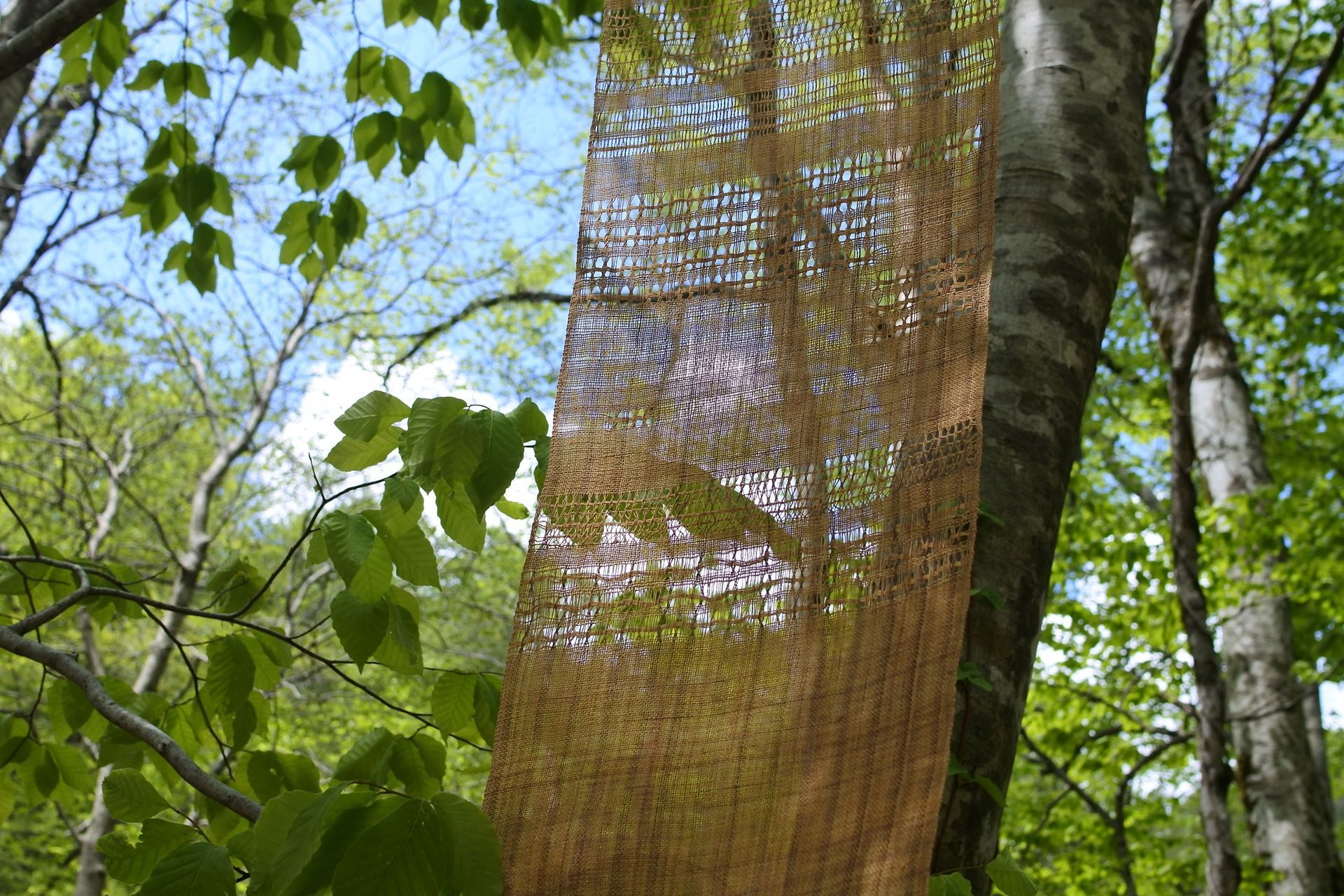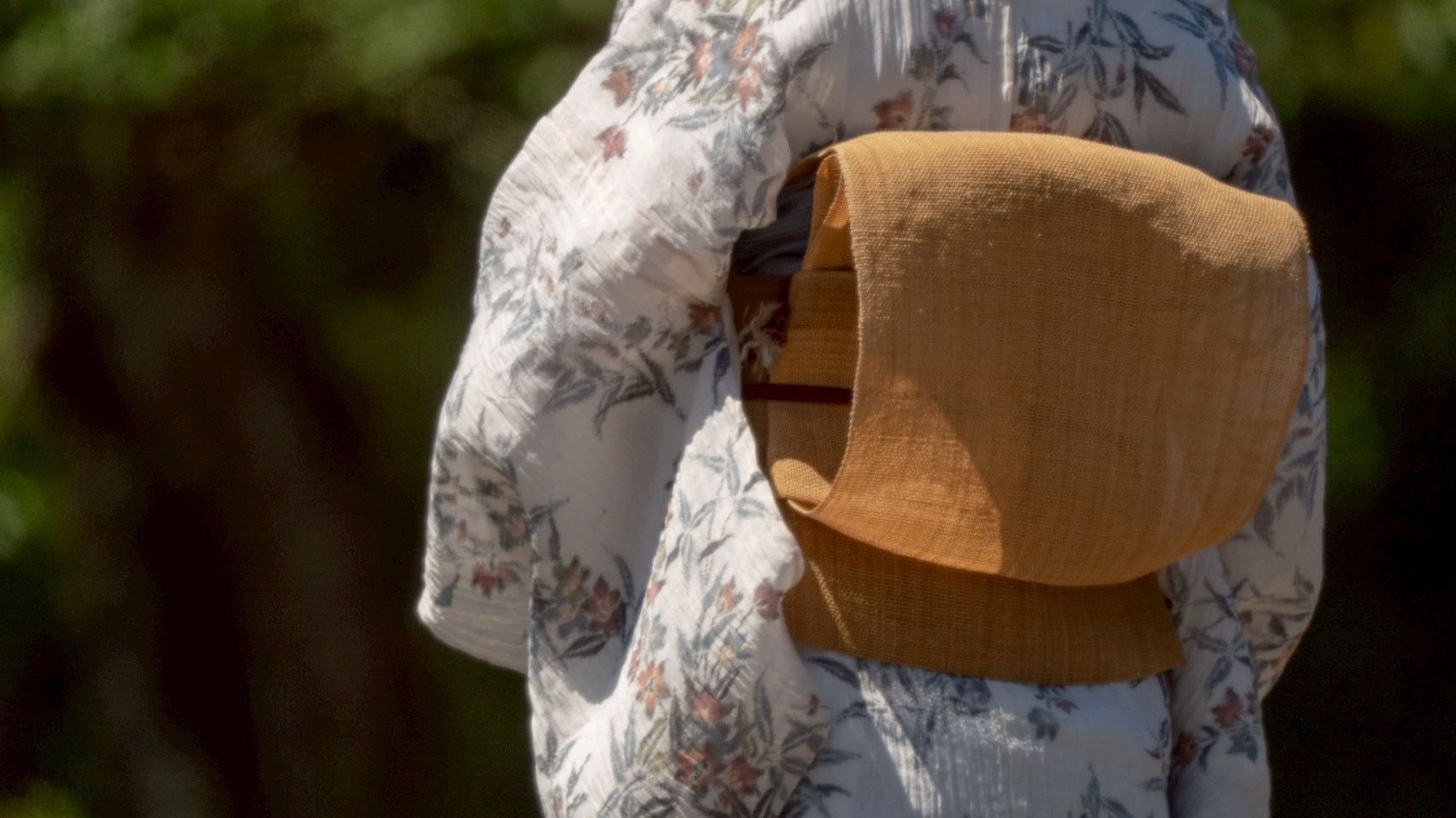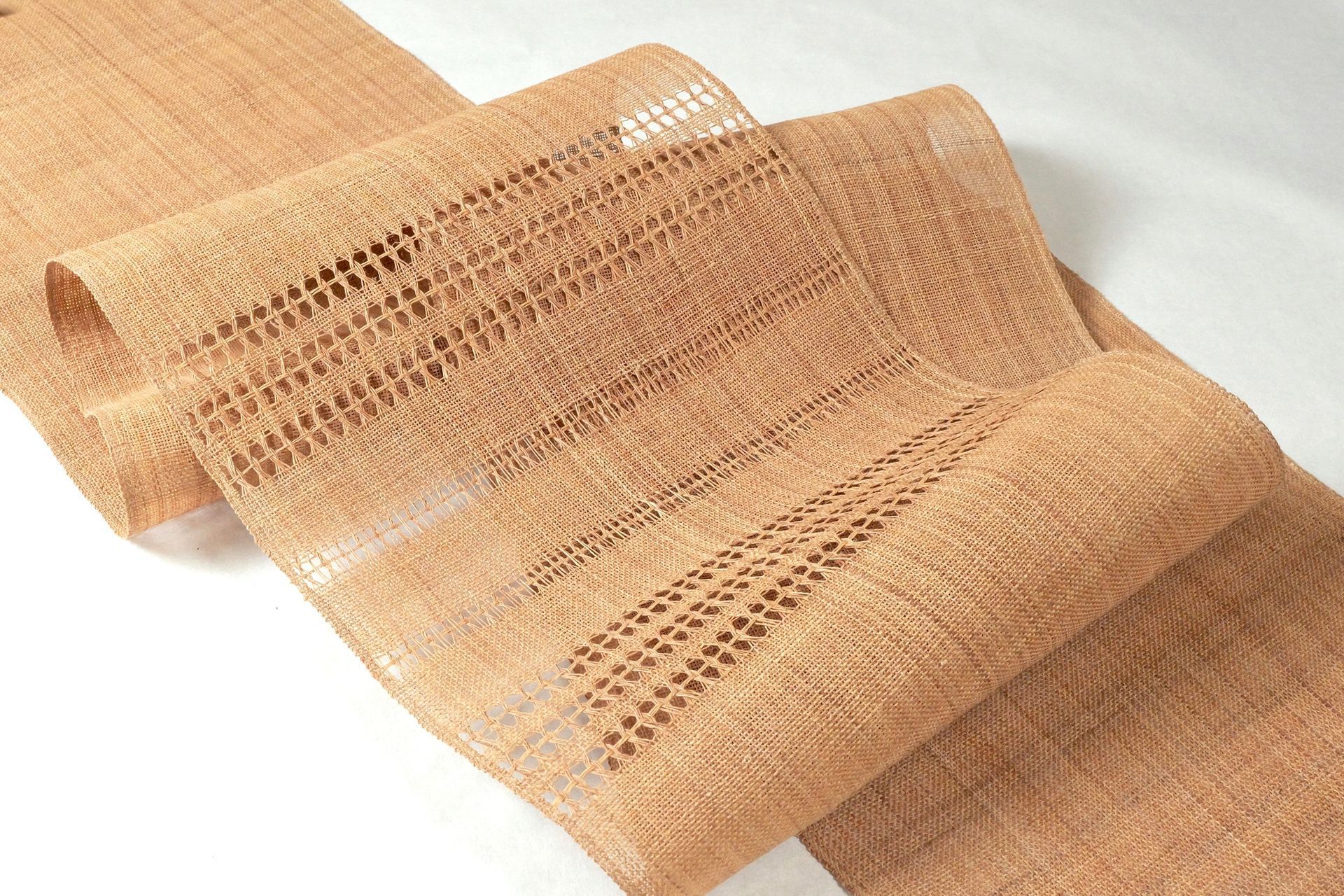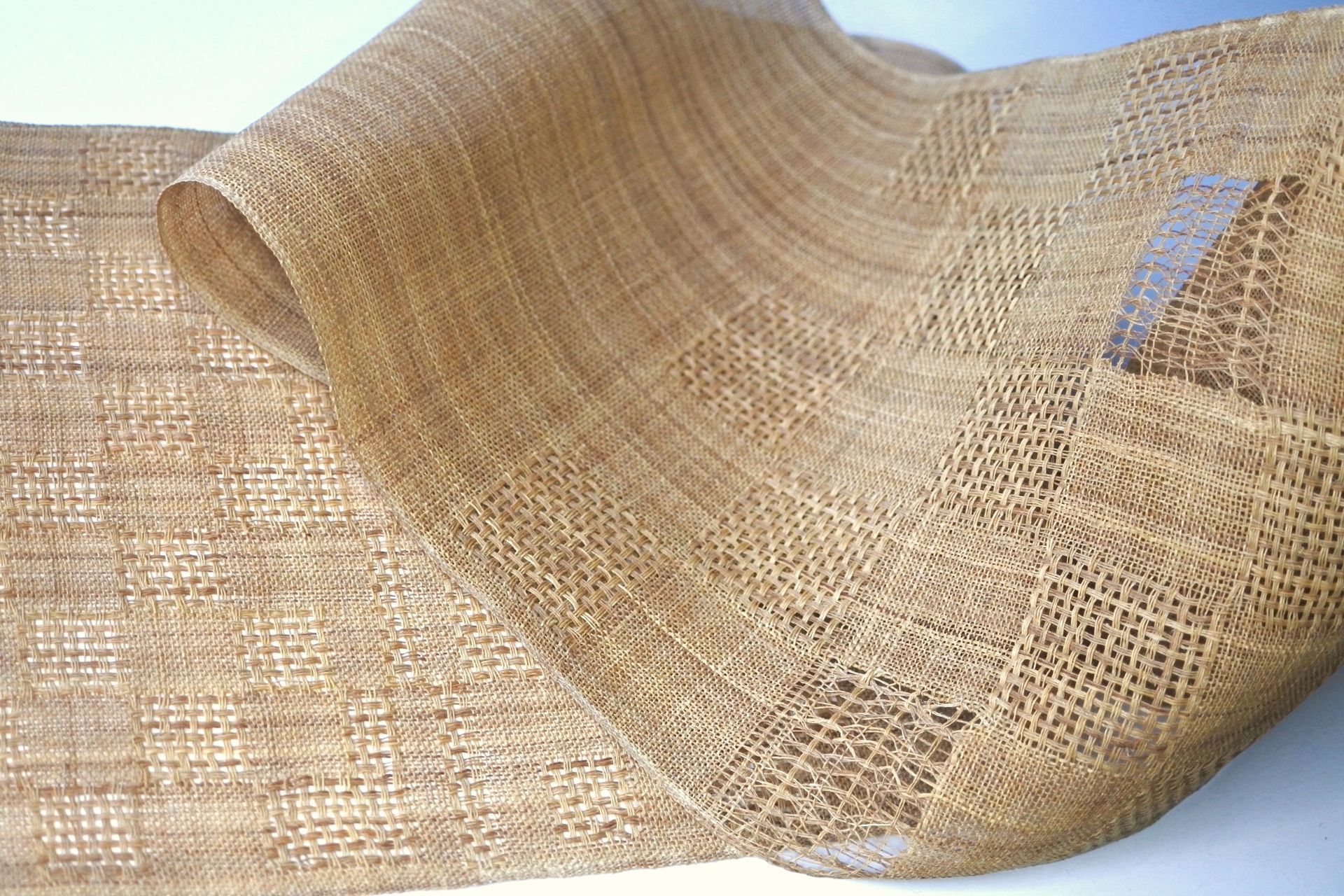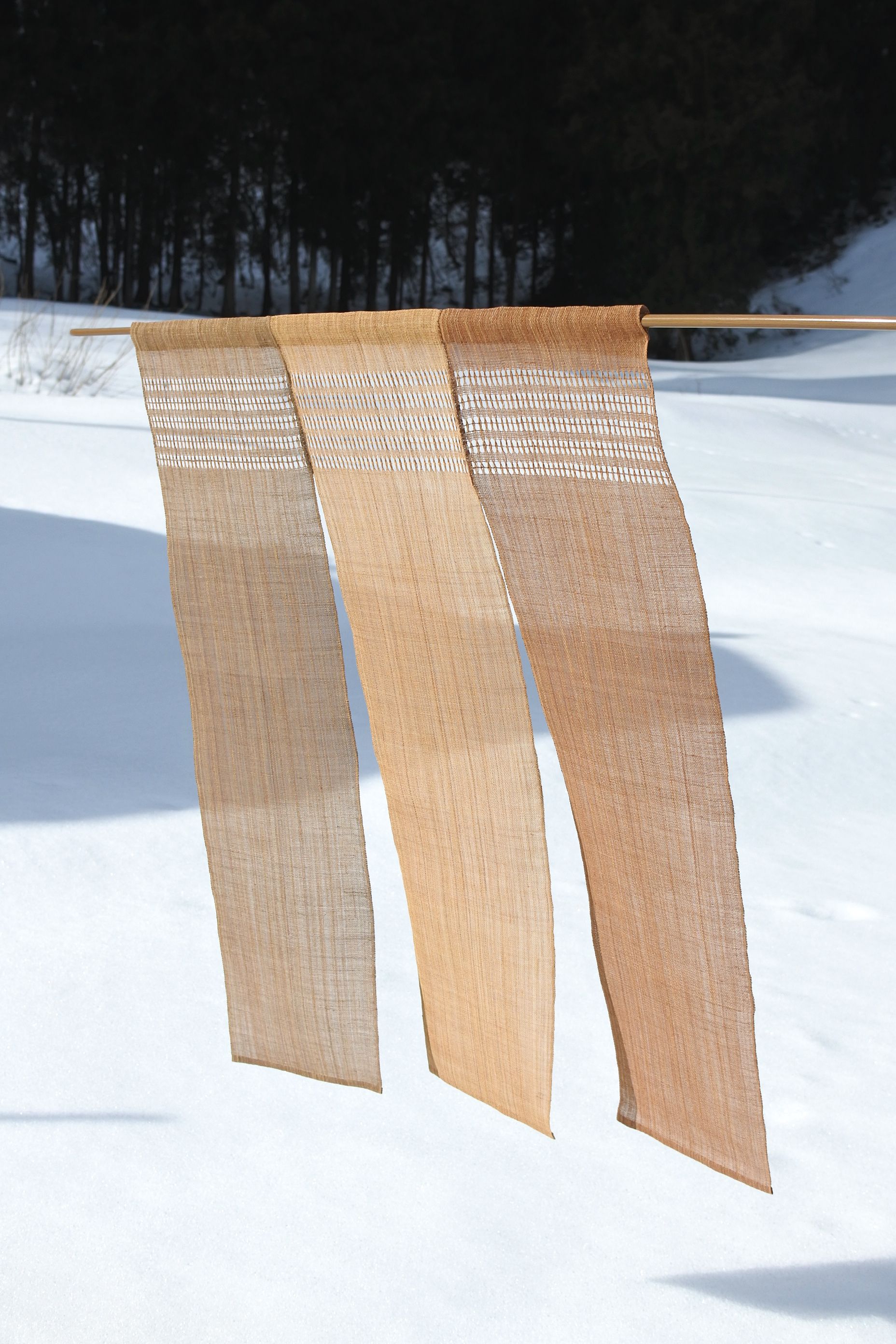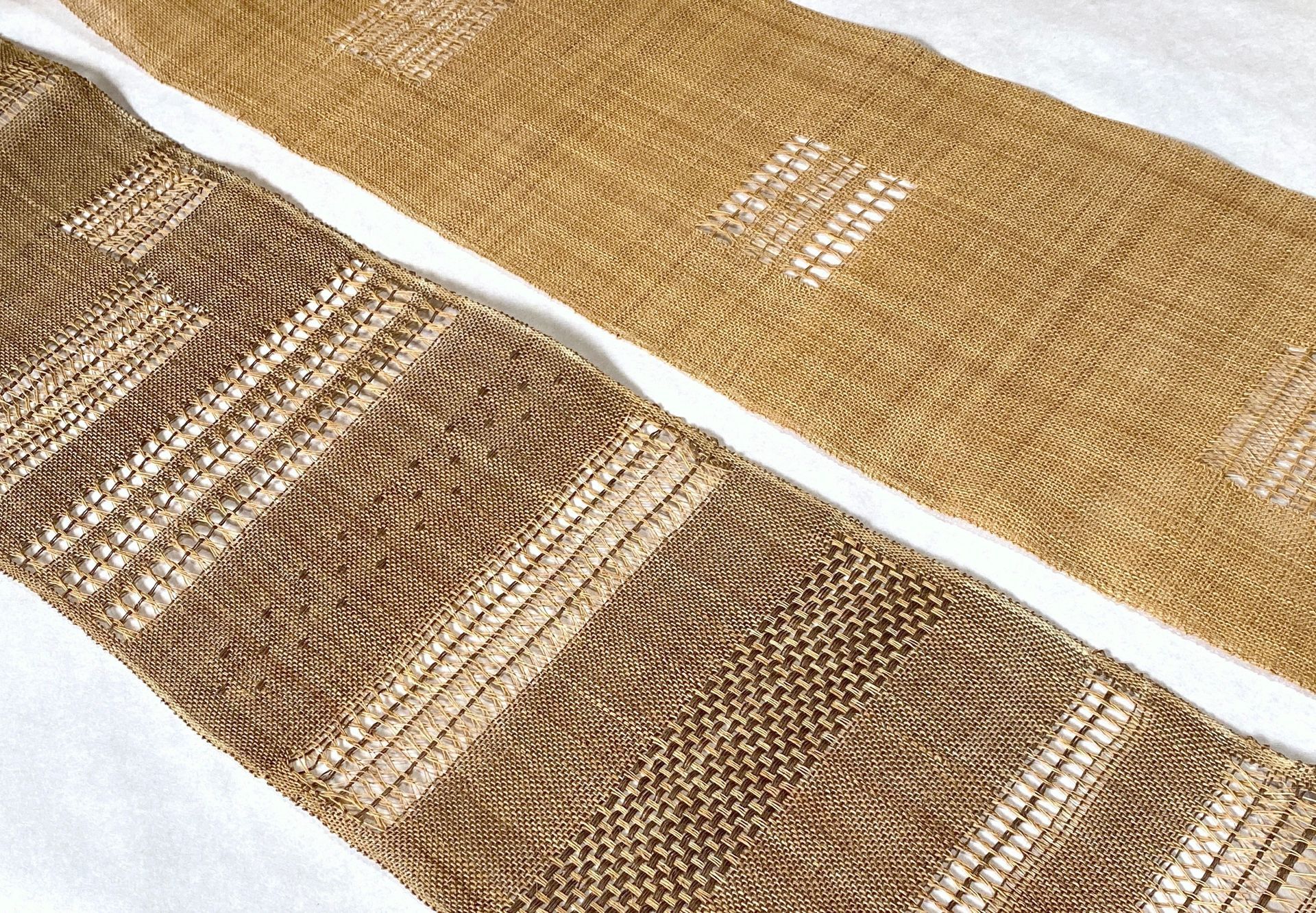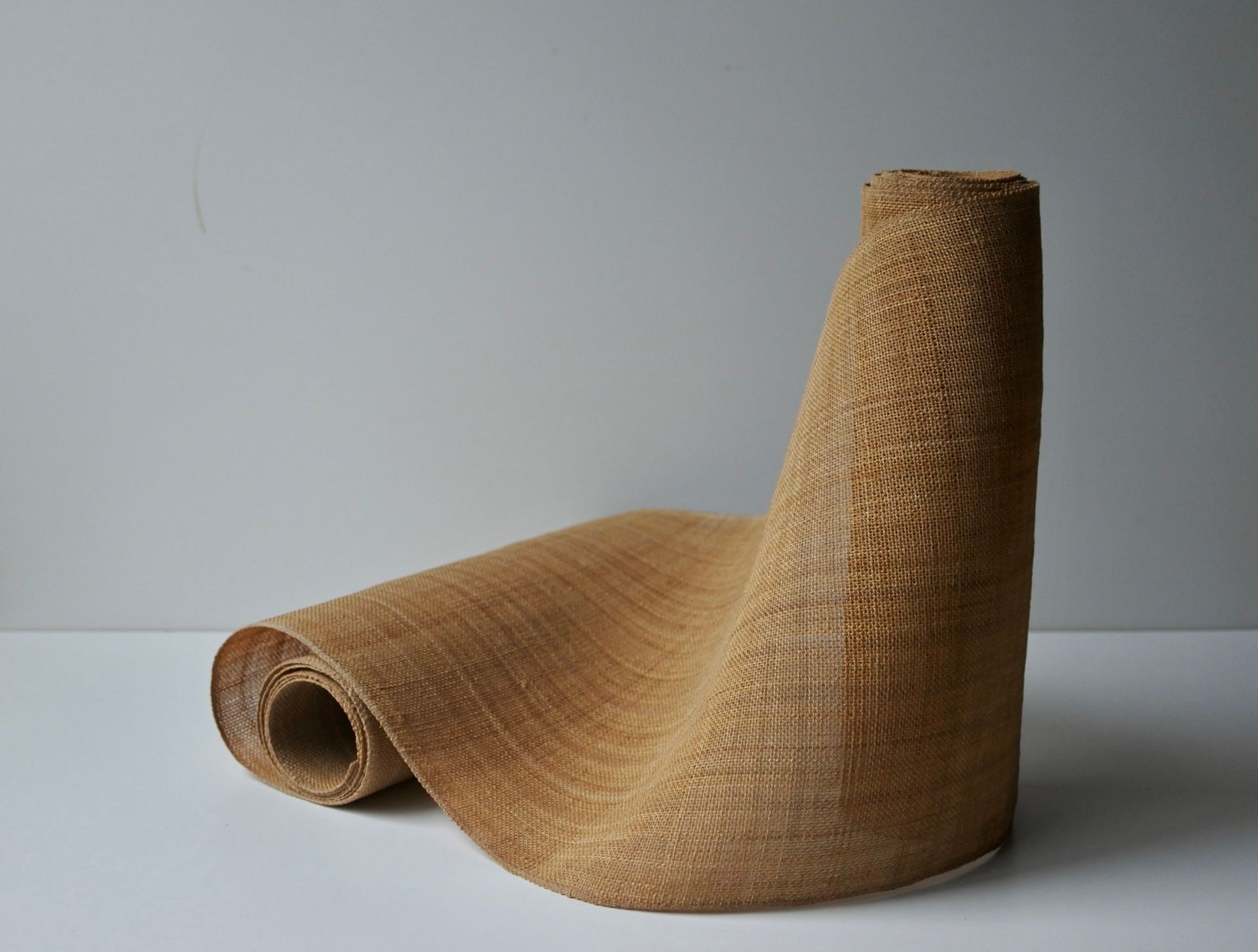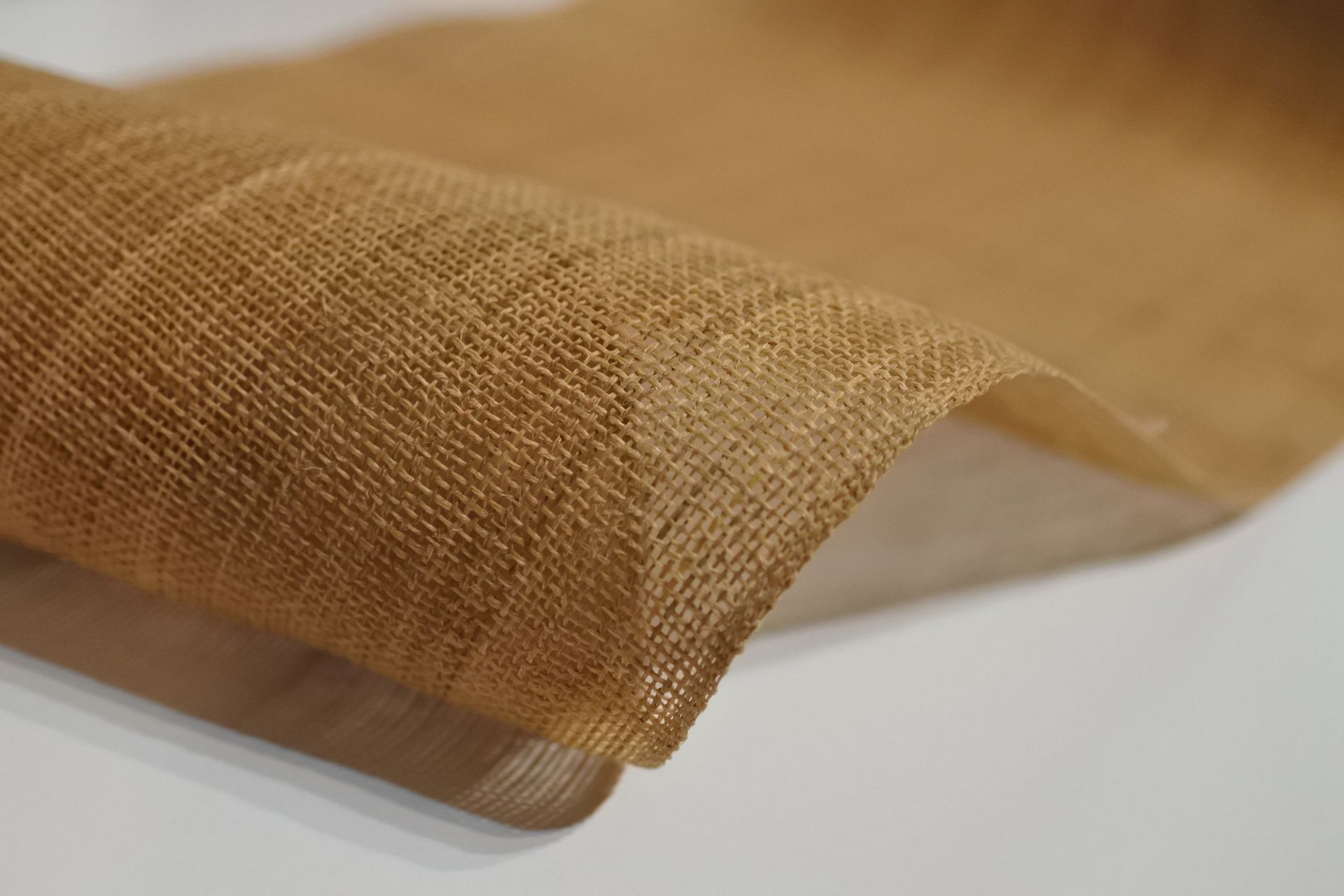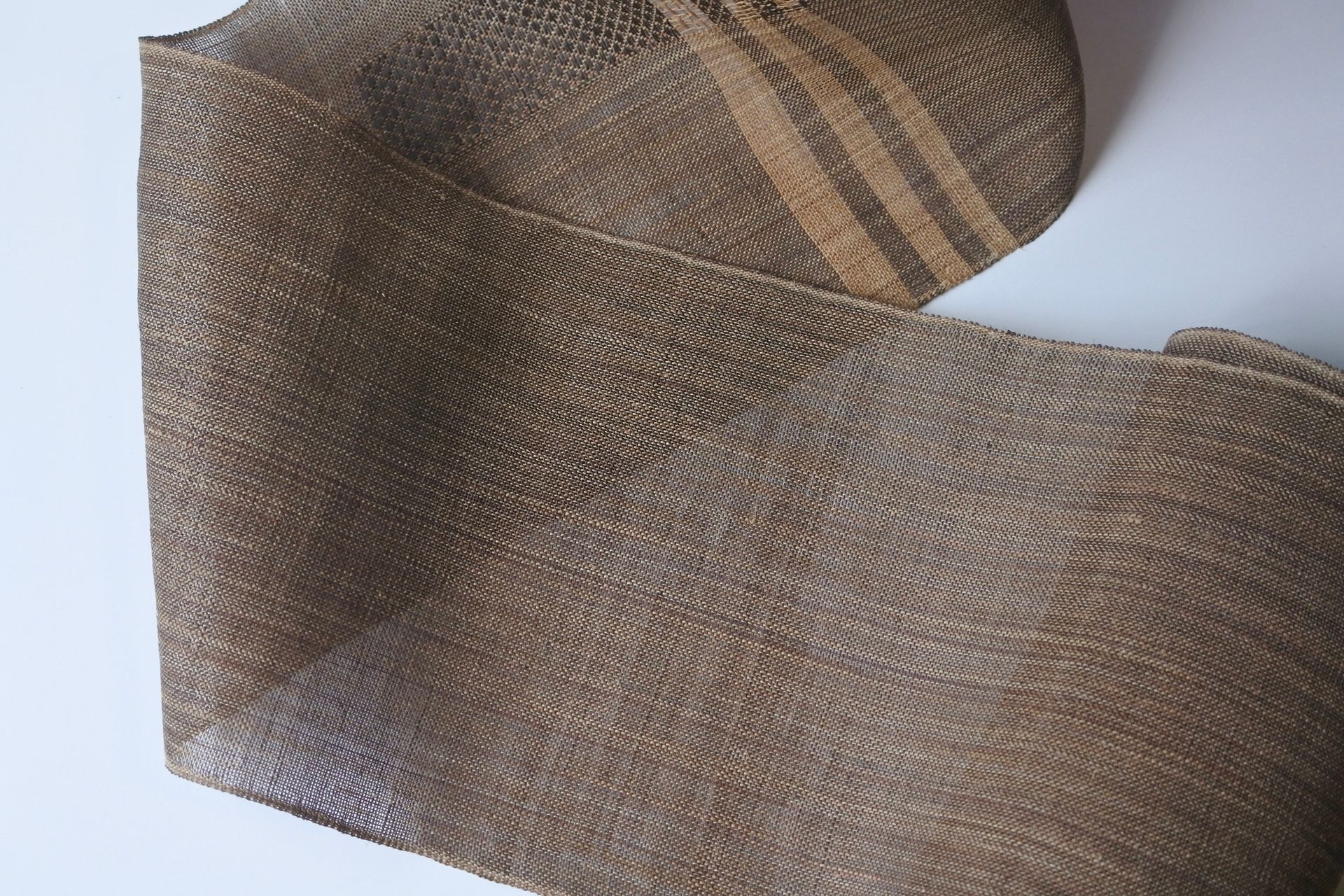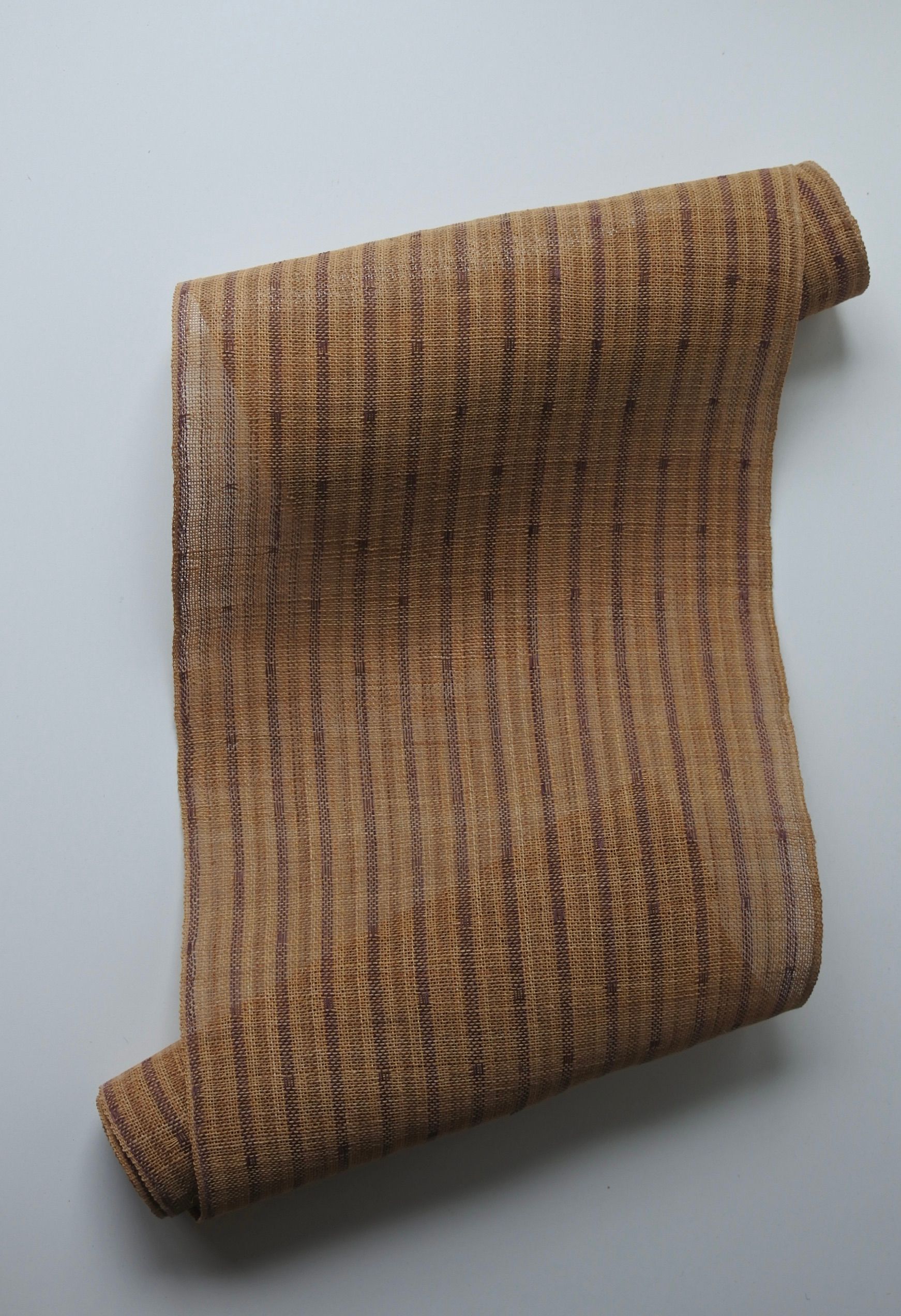
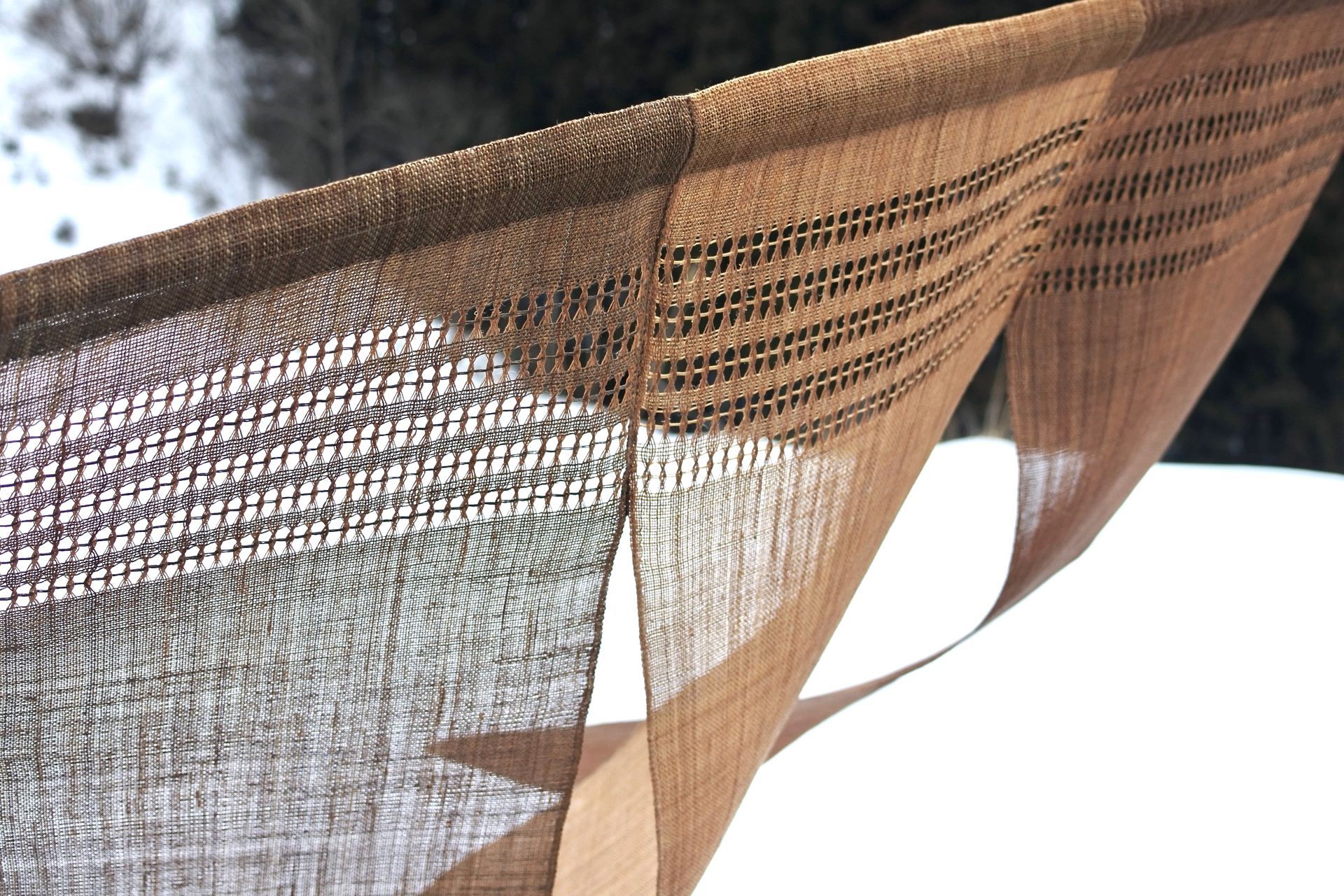
Otaki represents a rural-based business breathing new life into shinafu, a woven Japanese textile with a 6000-year history, made with linden bark yarn originating 10,000 years ago. Through collaboration with professional designers, she aims to realize the potential of shinafu for interiors and innovative uses.
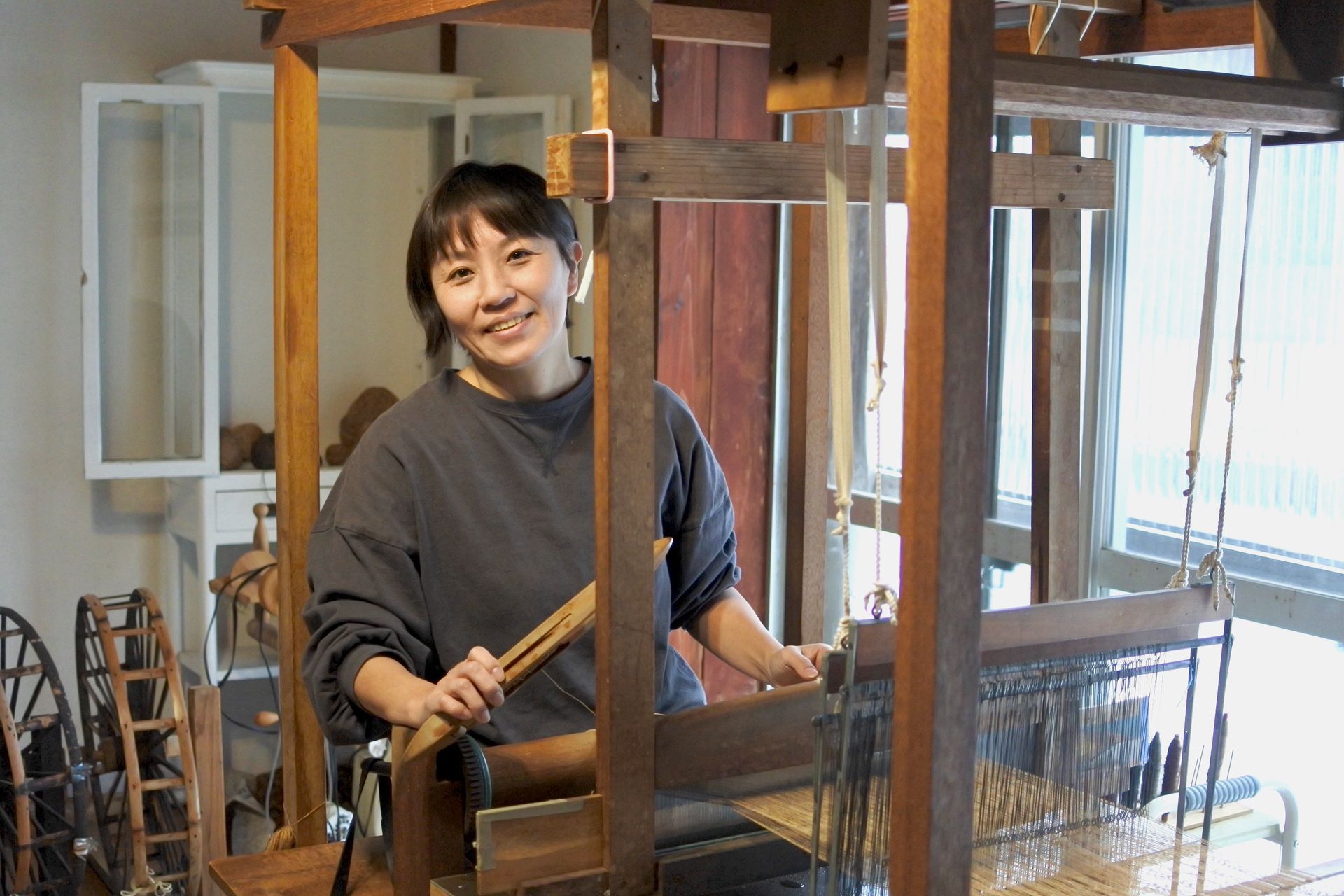
Junko OTAKI
Uetsu Shinafu Weaving・ Niigata
-
Artist's Story
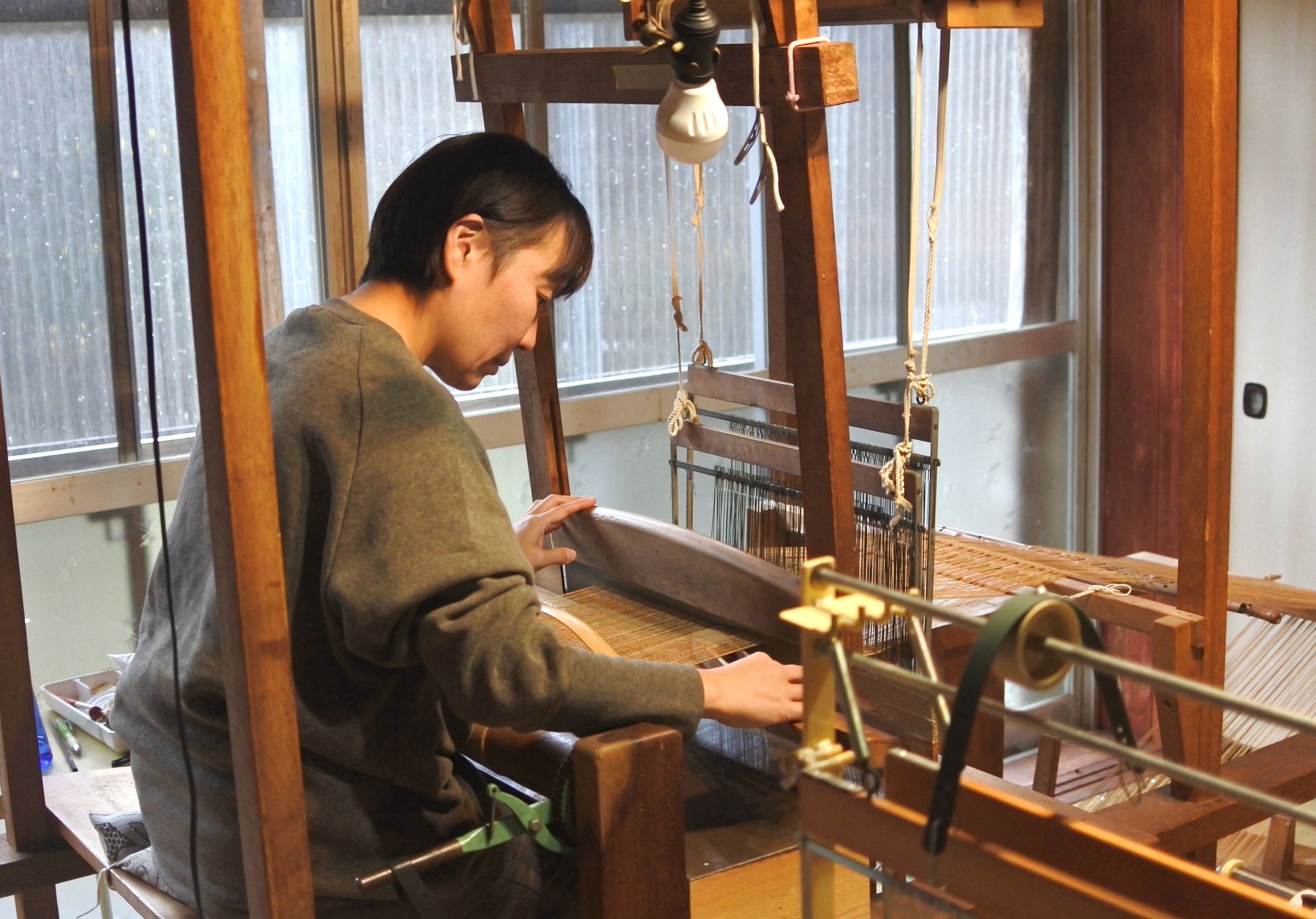
Working from the felling of linden trees to the peeling of bark, Junko Ōtaki develops new dyeing, design, and weaving approaches so that the ancient linden-bark textile Uetsu Shina-fu can live in contemporary life. Reflecting on its essence and appeal, she seeks to carry techniques rooted in the Jōmon period into the future, practicing onko-chishin̶creating the new from the old.
Born in 1977 in Sakado, Saitama, she completed graduate studies at Tohoku University of Art & Design, then worked in contemporary art in Japan and abroad before being deeply moved by the Matagi hunting culture in Yamakumada, Murakami, Niigata, where she relocated and married into the Matagi head family. After inheriting the village’s Uetsu Shina-fu tradition, she founded Yamakumada Kobo, working to enhance the value and vitality of shina
cloth.
2018 ‒ Renovates a traditional house and establishes “Yamakumada Kobo”
2022 ‒ Finalist, 4th Mitsui Golden Takumi Award; Selected, National Traditional Craft Exhibition; Selected, Japan Folk Crafts Museum Exhibition ‒ New Works
2023 ‒ Selected, National Traditional Craft Exhibition
2024 ‒ Craft Leader, JapanCraft21 Japanese
Traditional Crafts Revival Contest Author of the book “When I Kept Making Contemporary Art, I Found Myself Married into a Matagi Family” (Yamato Keikokusha).
-
About the Craft
-
![]()
-
![]()
Various Obi Fabrics
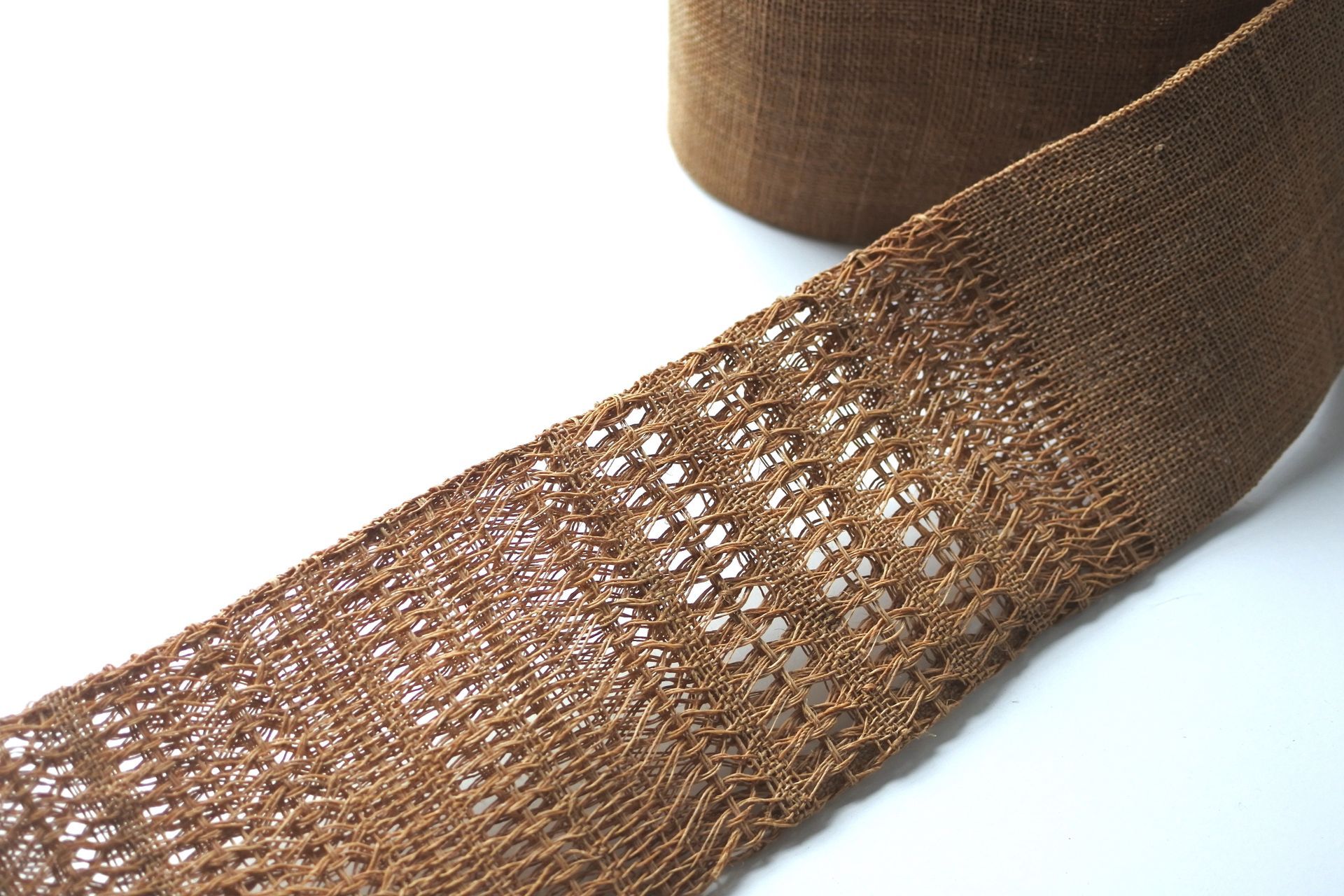
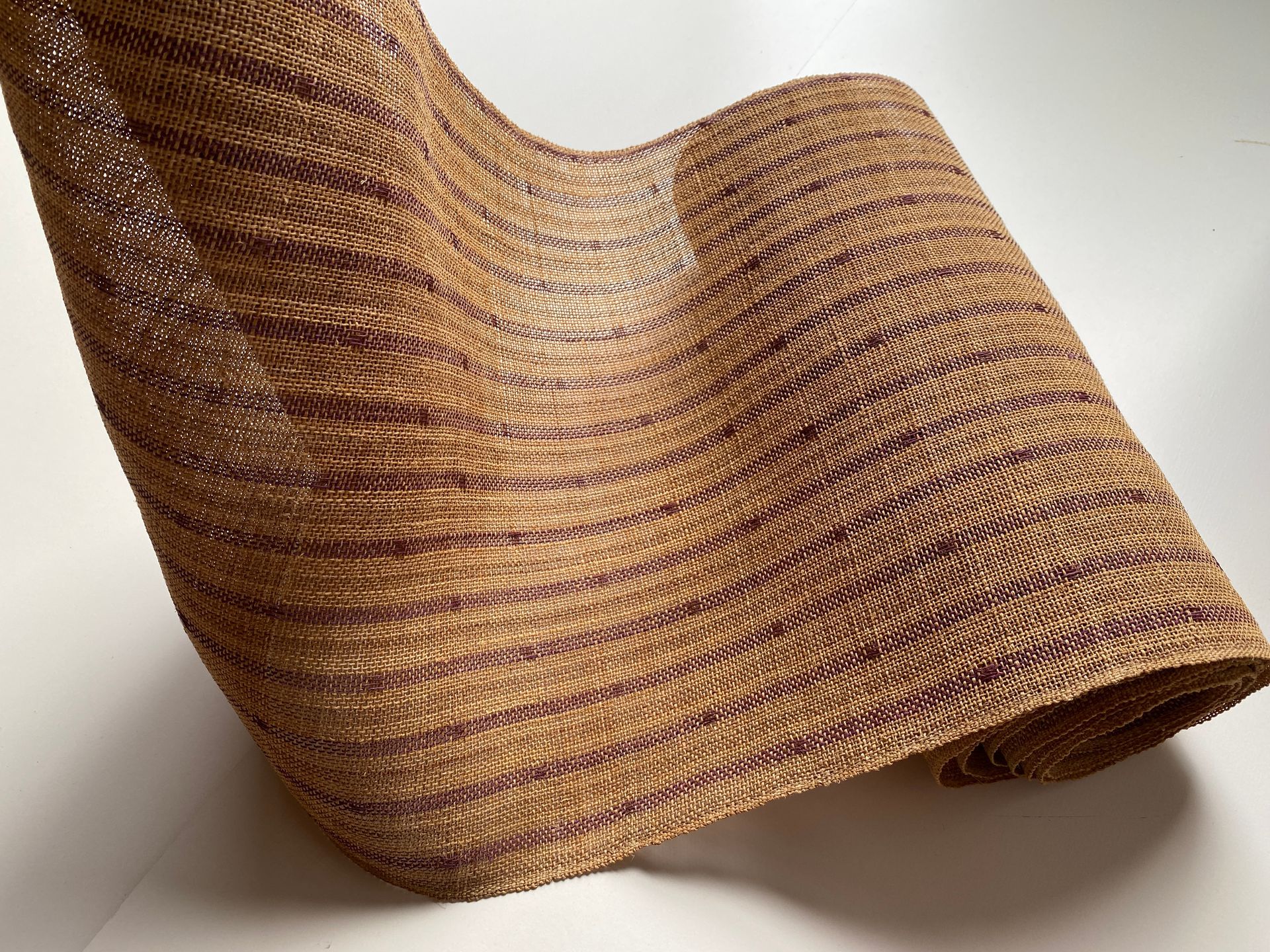
ButtonExquisitely crafted obi fabrics that are both lightweight and cool to wear, enhancing the beauty of kimono fashion.
-
![]()
Various Obi Fabrics
ButtonExquisitely crafted obi fabrics that are both lightweight and cool to wear, enhancing the beauty of kimono fashion.
-
![]()
Various Obi Fabrics
ButtonExquisitely crafted obi fabrics that are both lightweight and cool to wear, enhancing the beauty of kimono fashion.
-
![]()
Various Obi Fabrics
ButtonExquisitely crafted obi fabrics that are both lightweight and cool to wear, enhancing the beauty of kimono fashion.
-
![]()
Various Obi Fabrics
ButtonExquisitely crafted obi fabrics that are both lightweight and cool to wear, enhancing the beauty of kimono fashion.
-
![]()
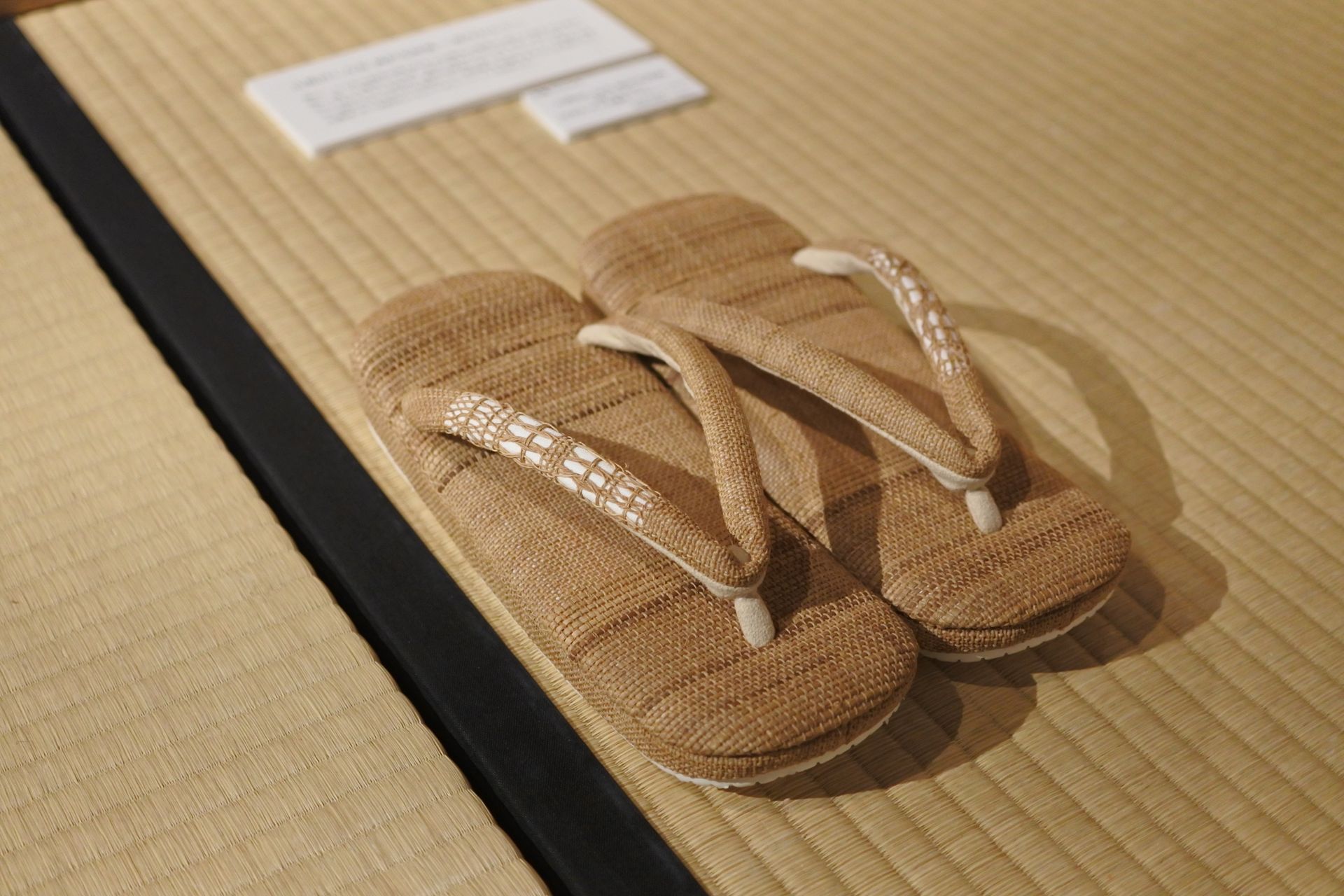
Zōri Sandals
ButtonLightweight and comfortable, these zōri sandals feature a natural texture that feels pleasant against the skin, making them ideal for summer wear.
-
![]()
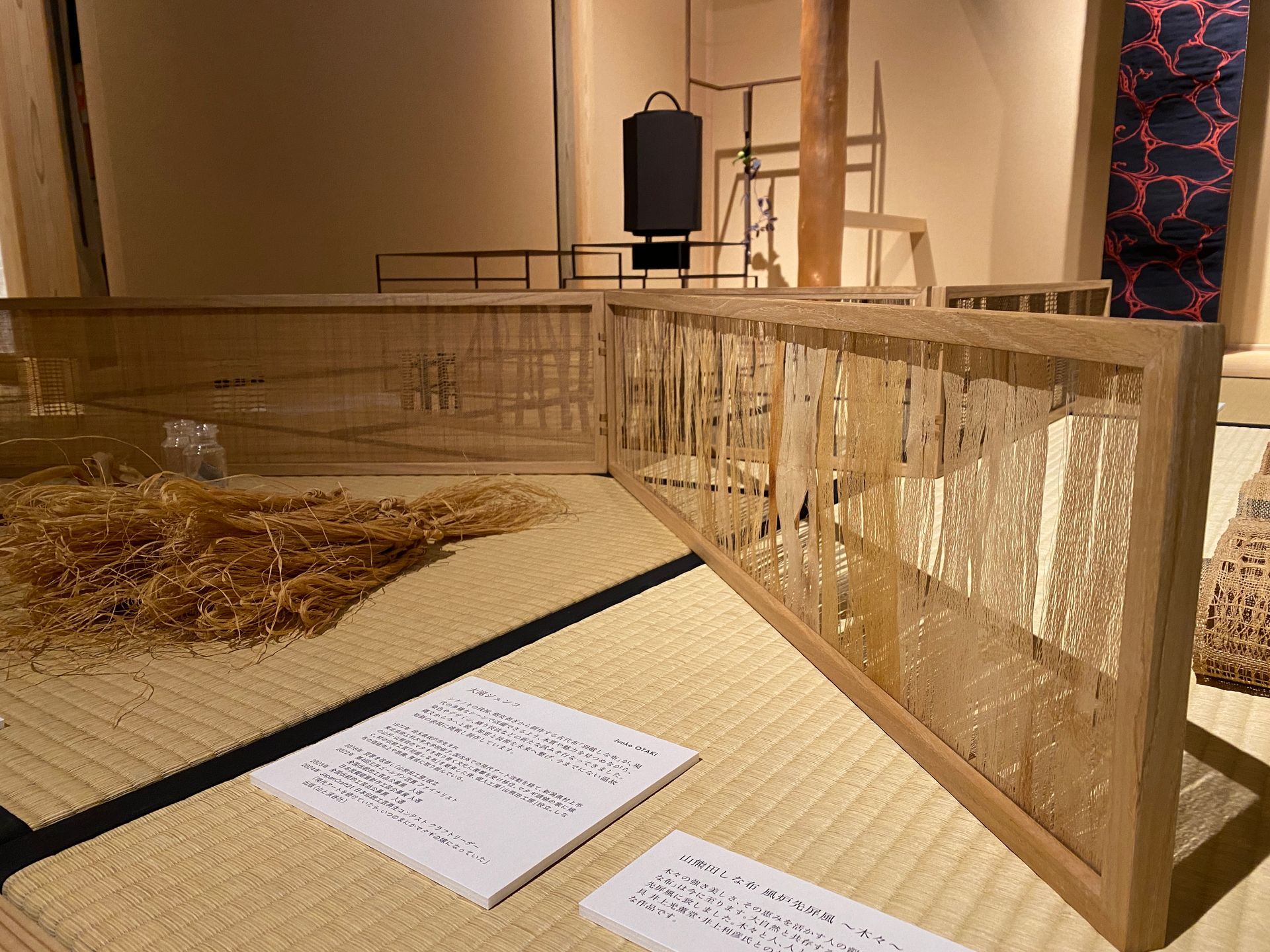
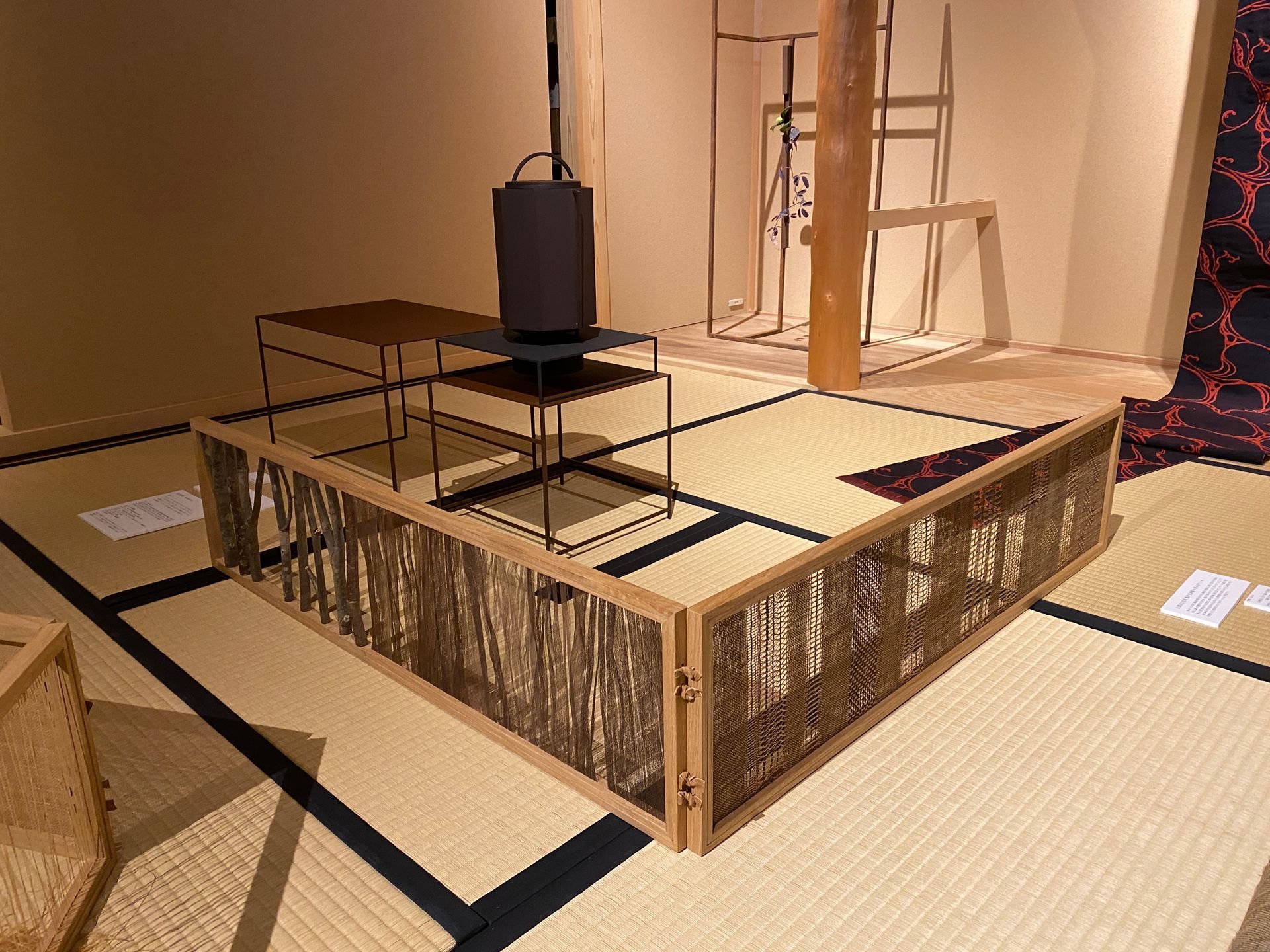
Furosaki Byōbu (Tea Ceremony Folding Screen)
ButtonA folding screen that evokes the transformation of tree bark into shina cloth, inviting viewers to appreciate both this remarkable process and the wisdom passed down through generations.
-
![]()
Furosaki Byōbu (Tea Ceremony Folding Screen)
ButtonA folding screen that evokes the transformation of tree bark into shina cloth, inviting viewers to appreciate both this remarkable process and the wisdom passed down through generations.
-
![]() Button
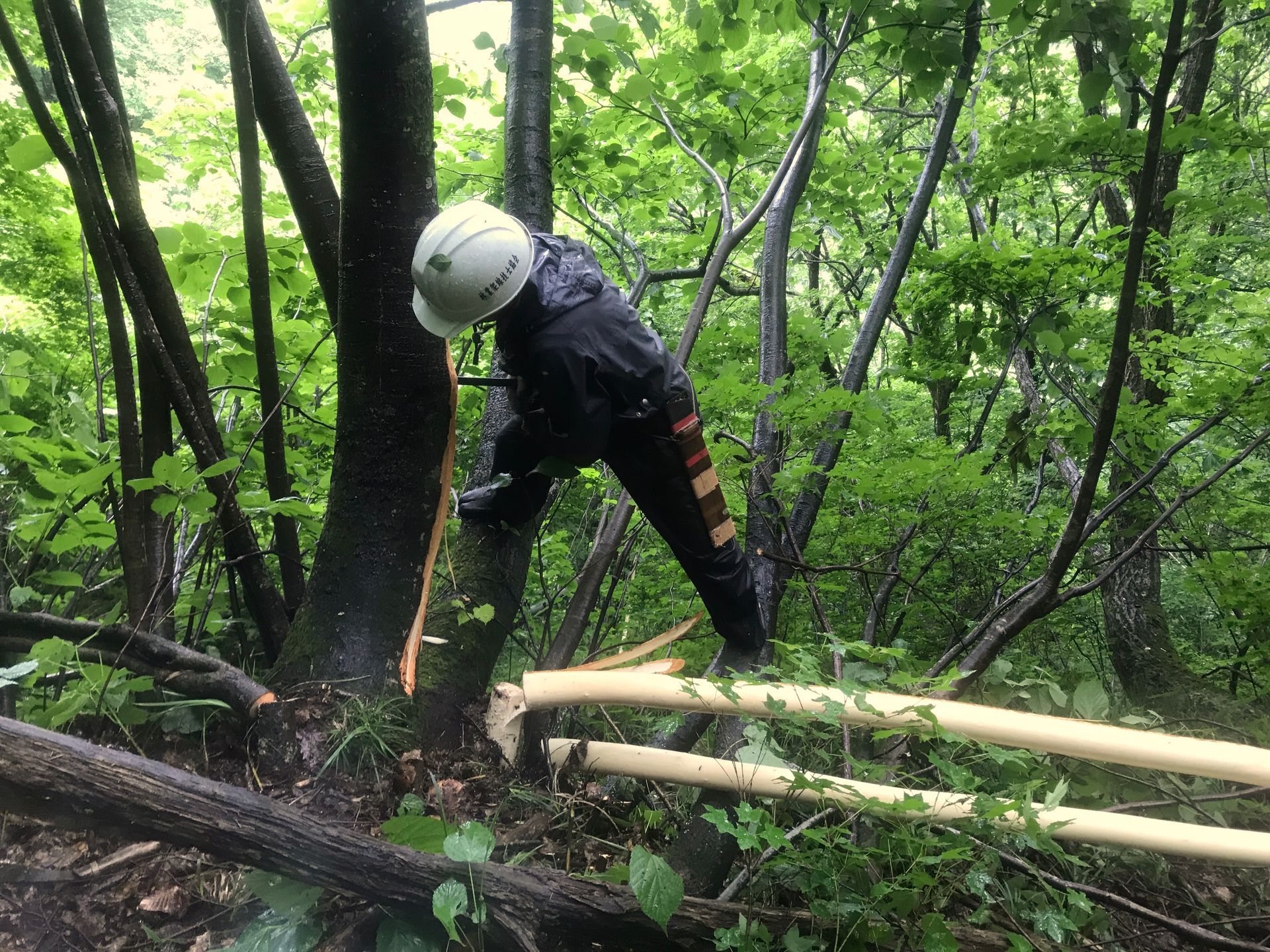
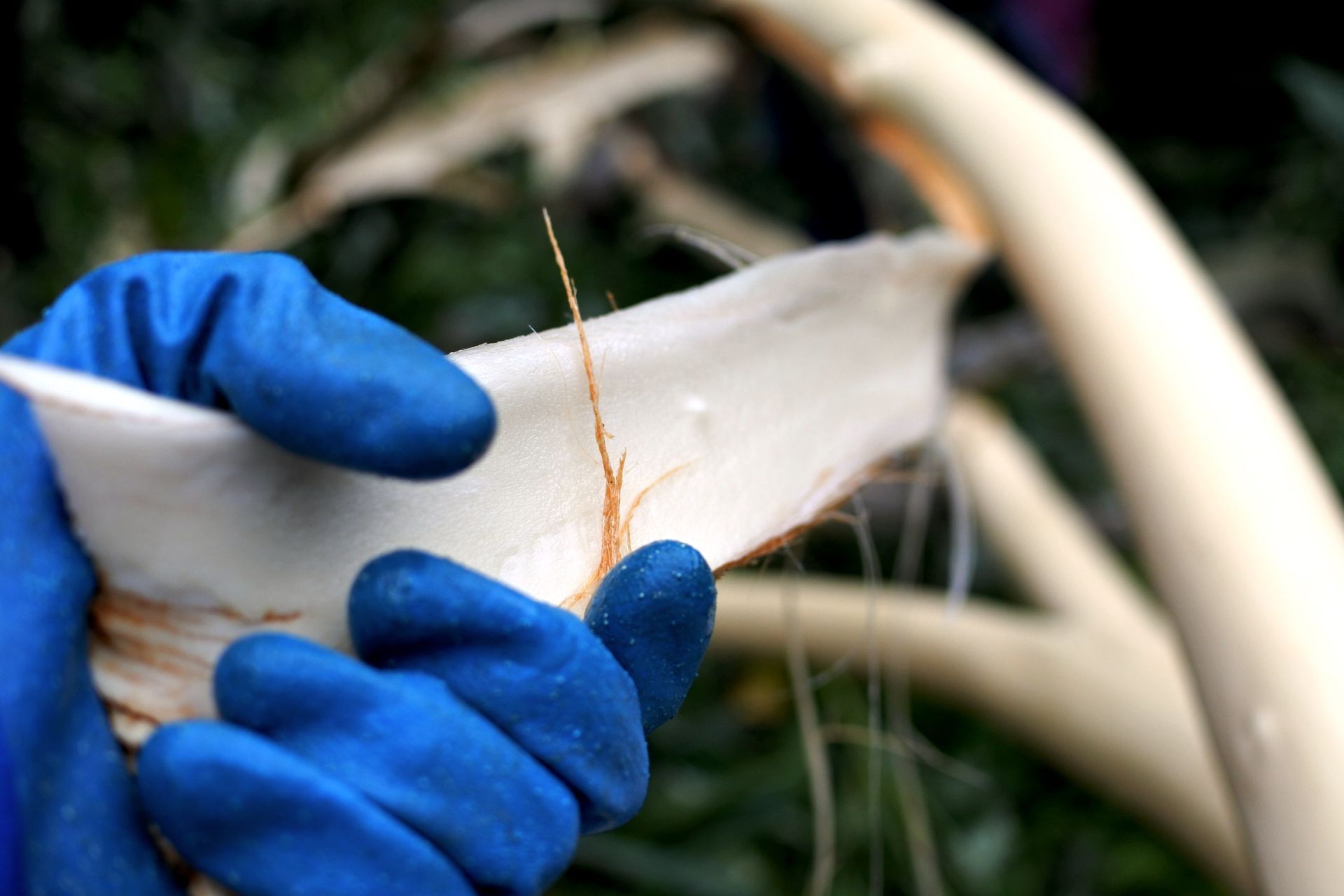
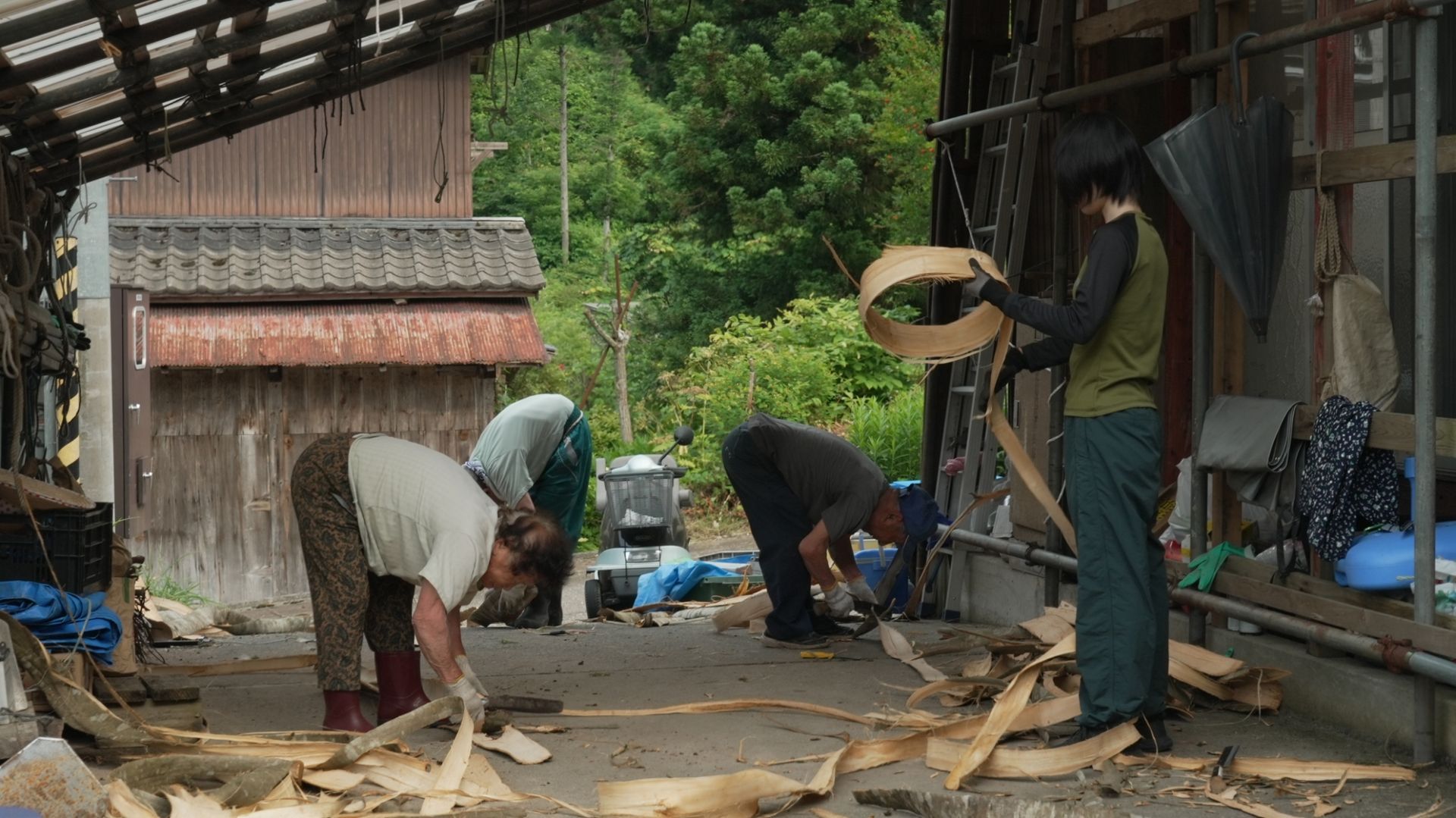
ButtonJapanese Linden trees growing naturally in the mountains are carefully harvested for their bark. Because their roots remain vigorous after cutting, they readily produce new shoots, making them a species that thrives when thoughtfully managed by people.
-
![]() Button
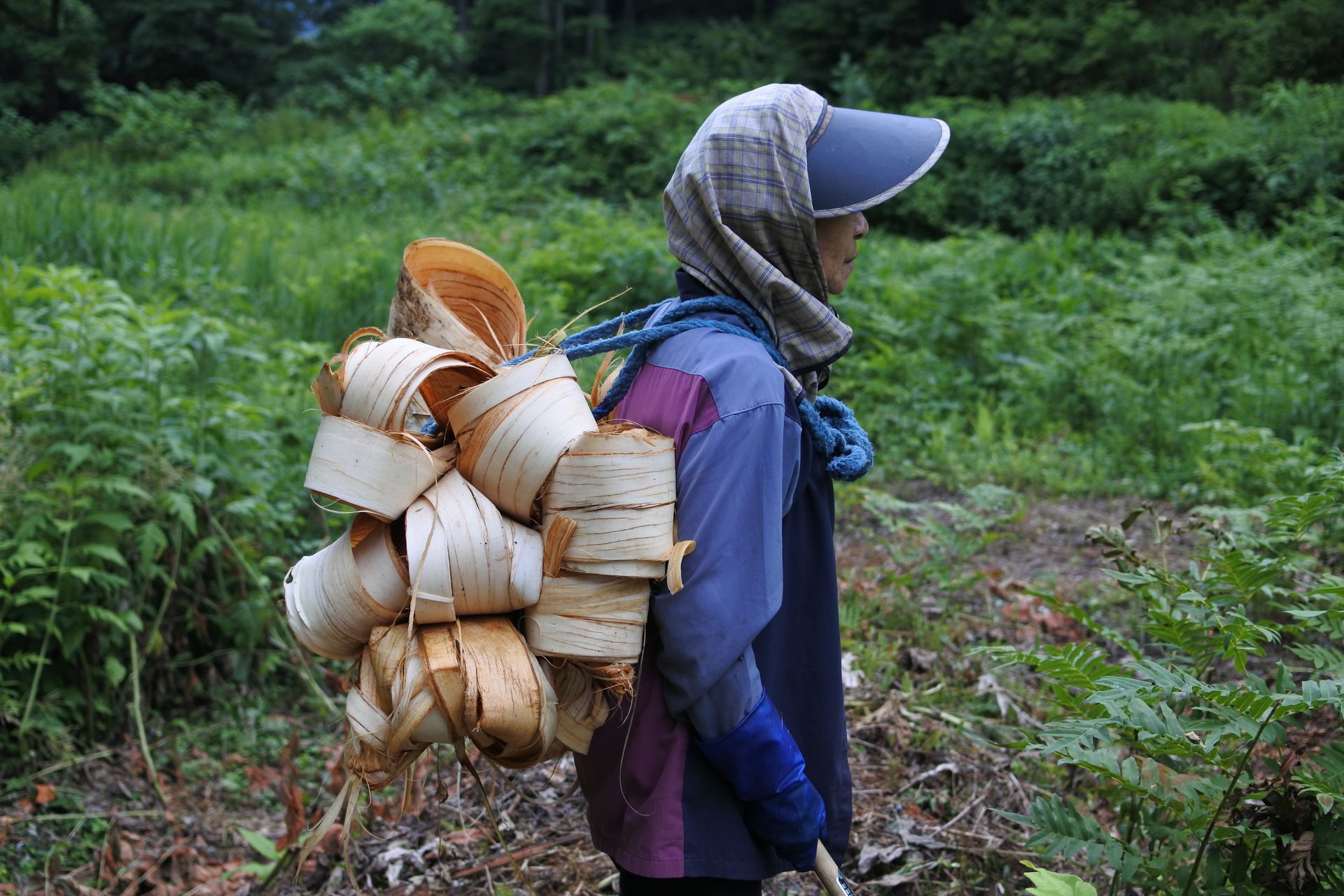
ButtonIn the mountain village of Yamakumata, where I live, there has long been a tradition that allows the harvesting of tree bark for only three days each year.
-
![]() Button
ButtonIn the mountain village of Yamakumata, where I live, there has long been a tradition that allows the harvesting of tree bark for only three days each year.
-
![]() Button
ButtonIn the mountain village of Yamakumata, where I live, there has long been a tradition that allows the harvesting of tree bark for only three days each year.
-
![]() Button
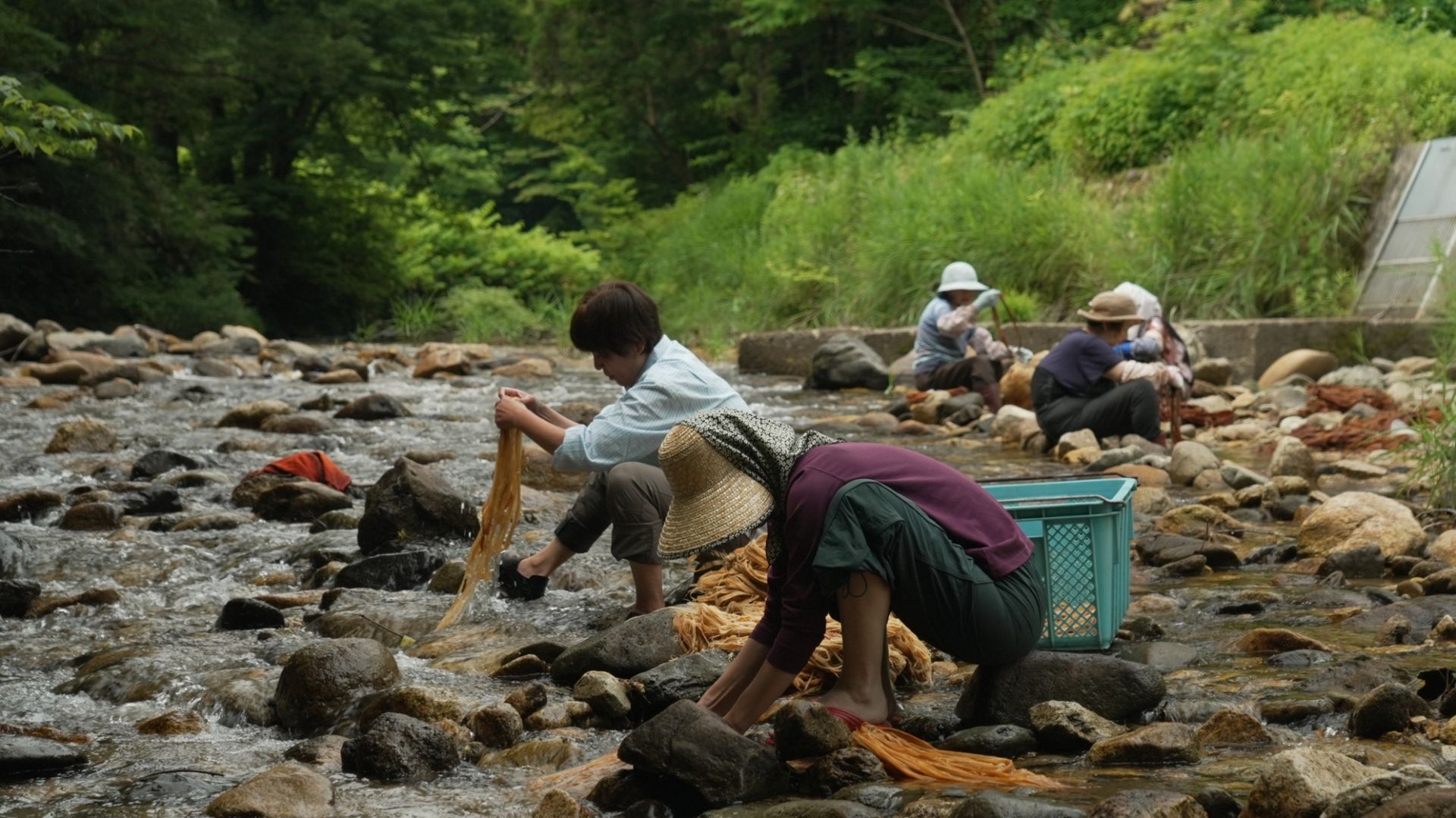
ButtonPreparing the bark is a labor-intensive process. It is simmered for several days with hardwood ash collected from a wood-burning stove and sometimes fermented with rice bran grown on our own farm. The bark is then washed in the clear stream that flows through the village. Every material used in this process is a gift of nature, sourced from the mountain community itself.
-
![]() Button
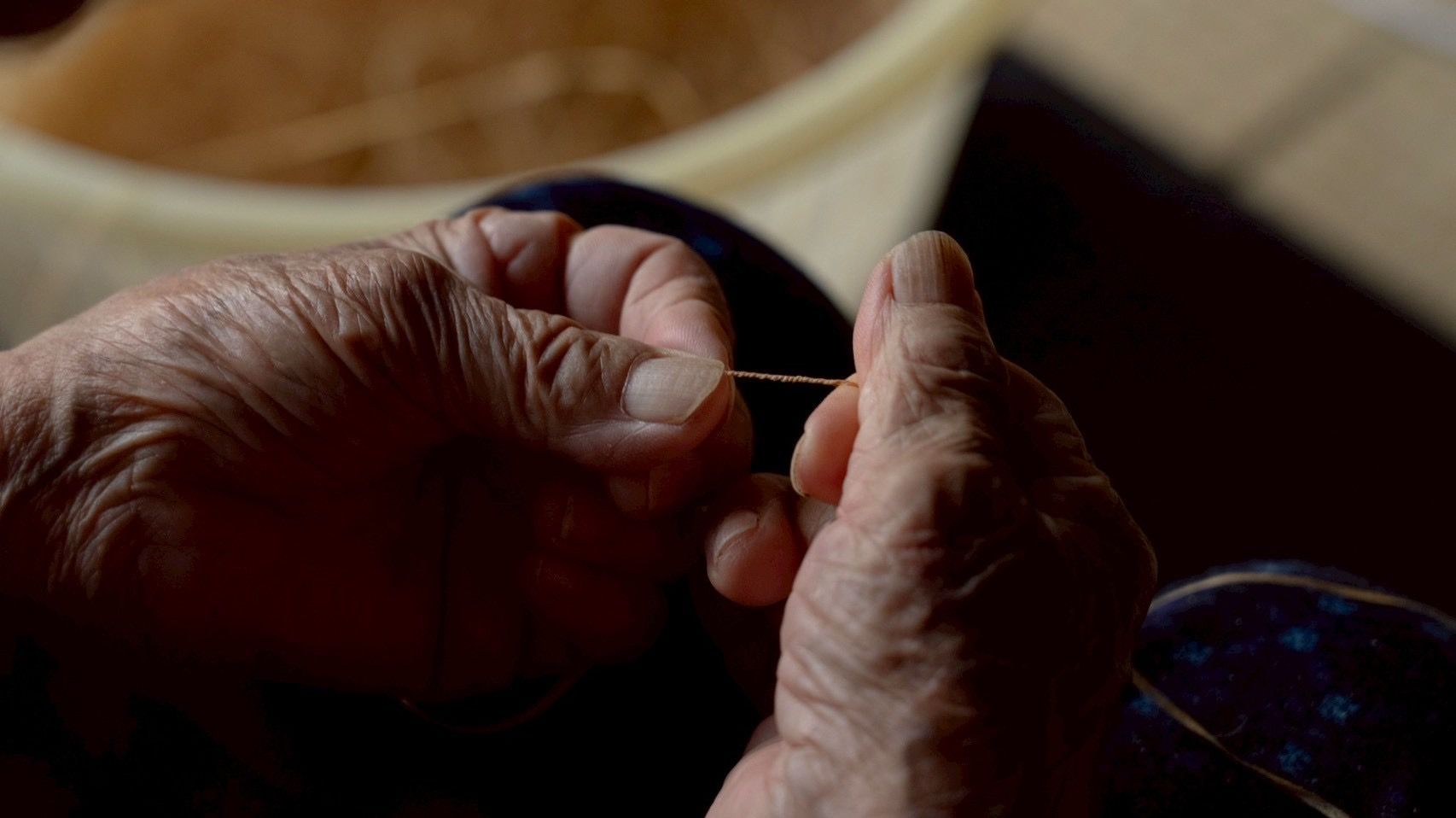
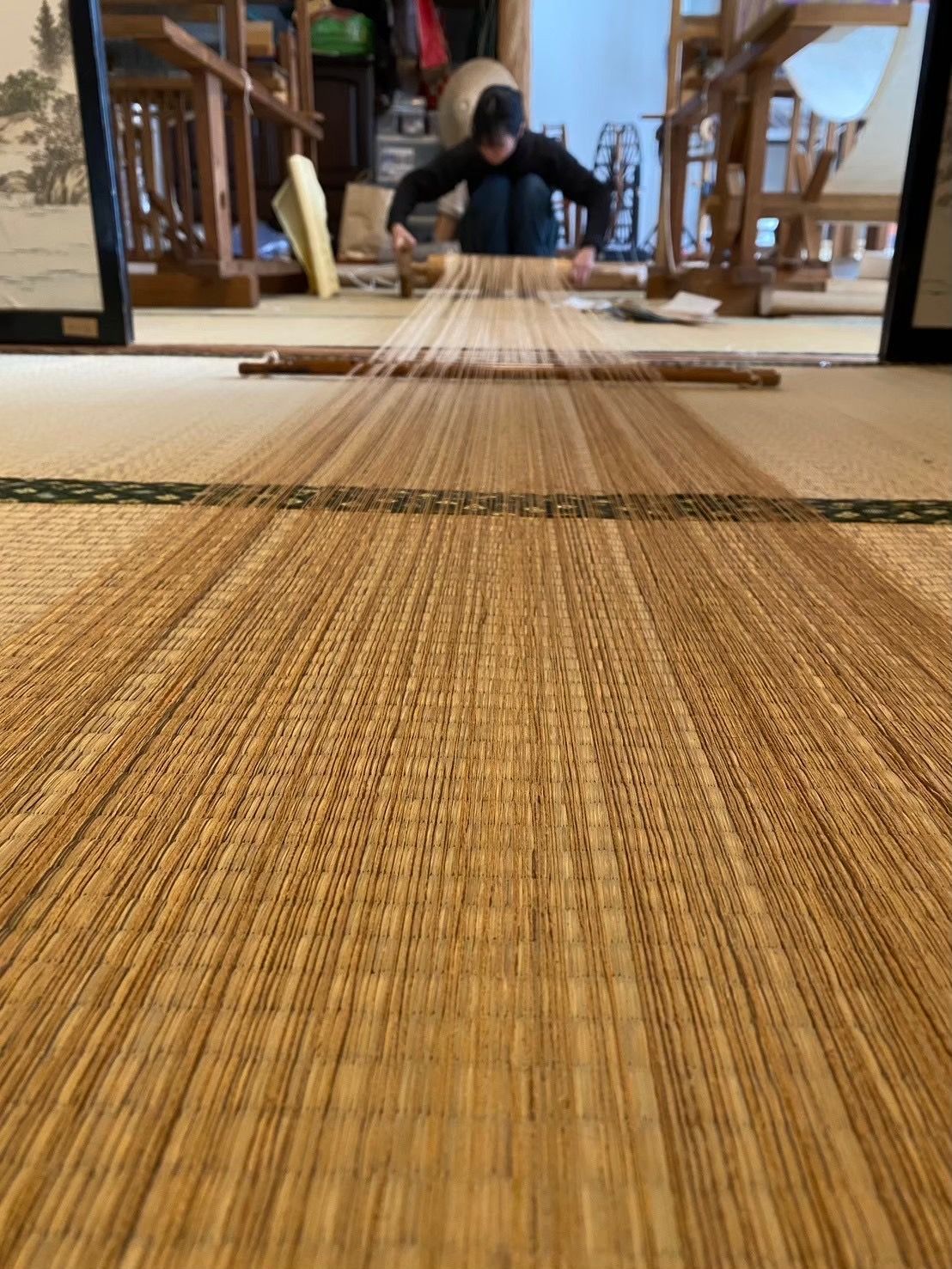
ButtonUsing only the fingertips, the bark is split into delicate strands, which are then twisted and joined one by one to create an endlessly long thread. Once enough thread has been produced, it is prepared on the loom for weaving.
-
![]() Button
ButtonUsing only the fingertips, the bark is split into delicate strands, which are then twisted and joined one by one to create an endlessly long thread. Once enough thread has been produced, it is prepared on the loom for weaving.
-
![]() Button
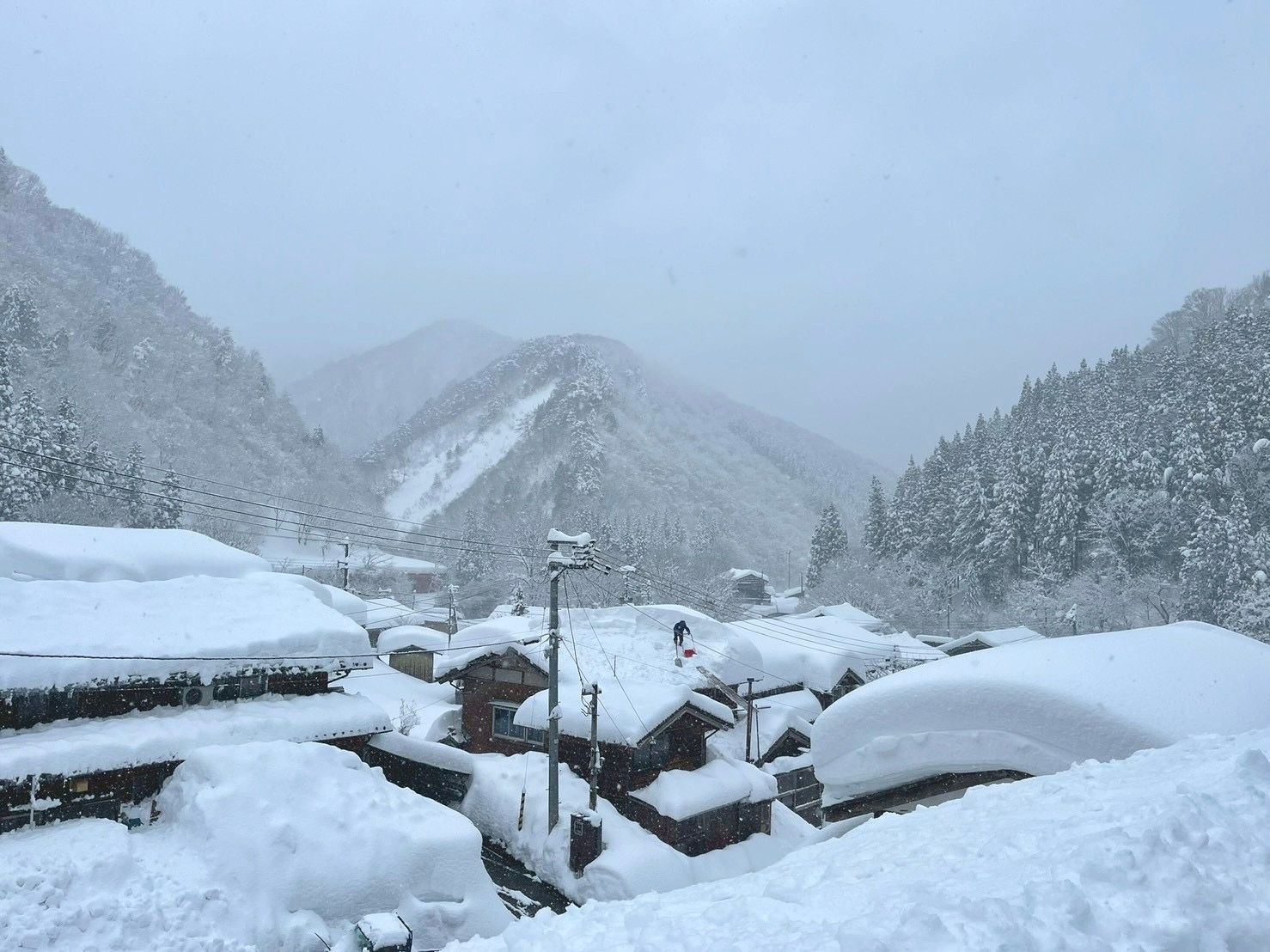
ButtonThe winter months, when the village is covered in deep snow, are the peak season for weaving.
-
![]() Button
ButtonThe outer bark, unsuitable for use as fiber in shinafu production, has been transformed into a natural dye, giving new value to a material that would otherwise go unused.
-
![]() Button
ButtonThe outer bark, unsuitable for use as fiber in shinafu production, has been transformed into a natural dye, giving new value to a material that would otherwise go unused.
-
![]()
-
![]()
-
![]()
-
![]()
-
![]()